


 Union zur Förderung von Oel- und Proteinpflanzen E.V.
European Parliament Rejects Commission Regulation by a Majority Vote
UFOP Welcomes the Rejection of Classifying Soybean Oil as an “iLUC Feedstock”
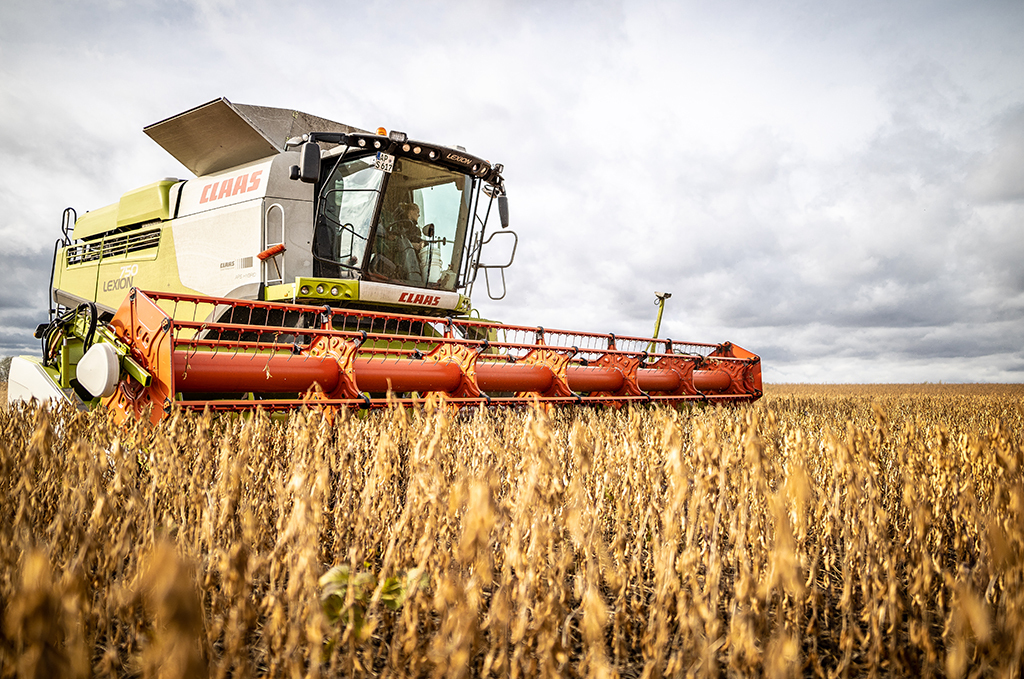
Berlin, July 8, 2026. The UFOP welcomes the European Parliament’s decision to reject the draft delegated regulation classifying soybeans as an iLUC feedstock. UFOP emphasizes that by rejecting the draft, the European Parliament has also endorsed the EU Protein Plan presented by the European Commission the previous day.
The decision by Members of the European Parliament has resolved the contradiction regarding the urgently needed promotion of protein crops in the European Union. According to UFOP, it would be downright absurd if European cultivation were promoted through EU and national measures aimed at ensuring a resilient protein supply, while at the same time a significant part of the value chain would have been lost due to the classification of soybeans as an iLUC feedstock. This is because soybean oil extracted during meal production would no longer have counted toward national quota obligations and thus toward climate protection targets in the transportation sector, if it were used as a feedstock for biofuels. This has now been prevented, at least for the time being.
From an economic perspective, legumes such as soybeans are not yet a guaranteed success in crop rotation systems. It is therefore essential to utilize all marketing opportunities to support producer prices. The goal of these measures, which must be developed holistically, must be to ensure that the market ultimately drives the expansion of cultivation areas and that consumer loyalty is strengthened through the origin labelling of ingredients provided for in the EU Protein Plan. However, the EU is likely to remain dependent on imports from overseas for its protein supply for the foreseeable future. Consequently, the requirements for deforestation-free supply chains set forth in the EUDR Directive must be implemented and enforced through sanctions. At the same time, UFOP calls for an end to ongoing deforestation and the conversion of natural areas. This requires a political strategy based on the polluter-pays principle and backed by substantial sanctions.