


 Union zur Förderung von Oel- und Proteinpflanzen E.V.
Correction to combustion engine phase-out does not fit with climate protection goals
UFOP: Exploit biofuel potential instead of unnecessarily limiting it
Berlin, 18 December 2025 – The Union for the Promotion of Oil and Protein Plants (UFOP) considers the automotive package presented by the EU Commission on 16 December 2025 to be insufficient in view of the great importance of the automotive industry in Germany and Europe. The proposal envisages a 90% reduction in CO2 emissions from passenger cars from 2035, instead of the previous 100%. The 10% difference is to be closed by allowing green steel in vehicle construction to count for up to 7% and the use of biofuels for up to 3%. UFOP criticises the insufficient consideration and recognition of the greenhouse gas reduction potential of sustainable biofuels that is already available today. This and other topics are on the agenda of the 23rd International Congress for Renewable Mobility – Fuels of the Future in January 2026 in Berlin.
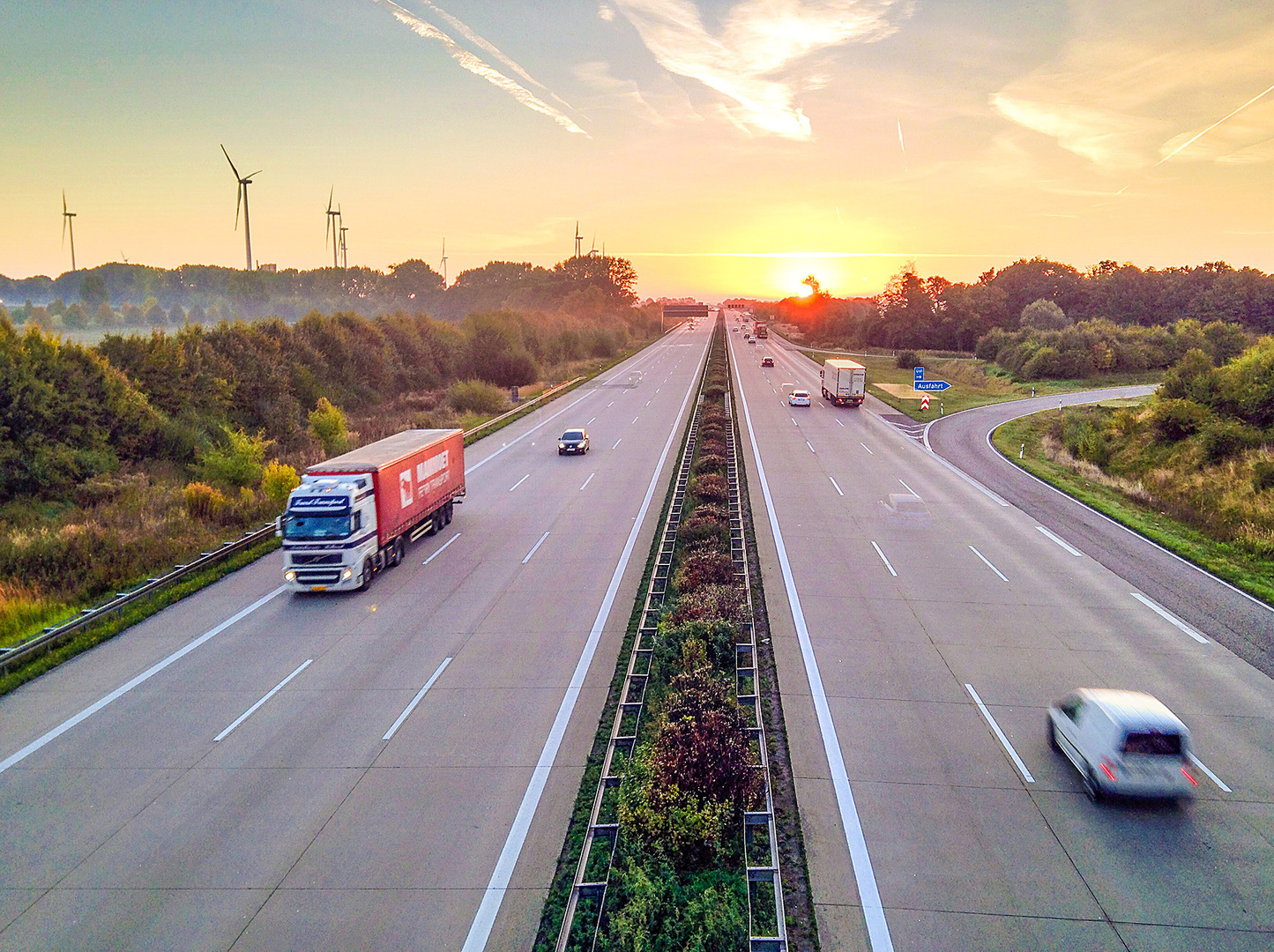 The legal requirements for reducing greenhouse gas emissions require the mobilisation of all GHG reduction options. The transport sector is nowhere near meeting the reduction targets set out in the Federal Climate Protection Act. The limits on the flexible allocation of biofuel quantities are set by the Renewable Energy Directive (RED III), and thus also the raw material potential of the various types of biomass. Conversely, this raises the question of adjusting the cap for biofuels from cultivated biomass. UFOP points out that the directive allows for an increase to 5.8% in Germany. However, UFOP criticises that the draft law on the further development of the greenhouse gas reduction quota, which was passed by the Federal Cabinet on 10 December 2025, only provides for a value of 4.4%. This law is intended to transpose RED III into national law.
The association is calling for a fuel strategy that, based on existing fuel standards and biofuel qualities, would allow for higher blending ratios or use as a pure fuel. Hydrogenated vegetable oil (HVO) is seen as a medium-term gateway to synthetic fuels (e-fuels). The EU Commission's proposal should also serve as an impetus to take the high energy density of liquid fuels into account in the context of defossilisation as part of a national fuel strategy. Liquid fuels will continue to be needed in the future to fill the gaps in application that are difficult to close with battery power for reasons of physics and cost. In UFOP's view, heavy goods transport and machines with high power requirements, for example in agriculture or the construction industry, cannot be electrified.
The UFOP strongly rejects limiting biofuels to waste or residual materials, citing the limited availability of waste oils. Instead, the association calls for a forward-looking fuel strategy. HVO from biomass can meet the high emission requirements, as can synthetic paraffinic fuels, known as e-fuels. UFOP expressly emphasises that when designing such a strategy, the entire potential of sustainably certified biofuels must be taken into account holistically, starting with the supply of raw materials. The production of bioethanol and biomethane or bio-LNG, in addition to biodiesel and HVO, opens up value creation potential for agriculture as a raw material producer, which is urgently needed in view of the price and income developments that threaten its existence. The EU Commission must also take this into account when developing its bioeconomy strategy, particularly in view of the current farmers' protests.
UFOP is taking the discussion on the EU Commission's proposal as an opportunity to draw attention to the 23rd International Congress on Renewable Mobility – Fuels of the Future, which will take place in Berlin on 19 and 20 January 2026 (www.fuels-of-the-future.com/en). As co-organiser, UFOP expects the politically topical programme to provide constructive impetus for the future design of the defossilisation strategy in transport. The energy transition in the fuel tank and electric drive with renewable electricity must be considered together.